case study 03 of 04
What happens when you try to grow something after grief.
An AR mindfulness app where gratitude grows into something living.
Role
Sole designer & researcher
Type
MFA Capstone
Year
2024
The Challenge
Gratitude apps are all text, all journaling, all screen. Nothing gives you something physical and living to return to, a daily reminder that exists in your actual space.
My Output
An AR mindfulness app where users plant virtual gratitude notes as 3D plants in their physical spaces. Plants grow over time, respond to affirmations, and live on your home screen as emotional companions.
The Impact
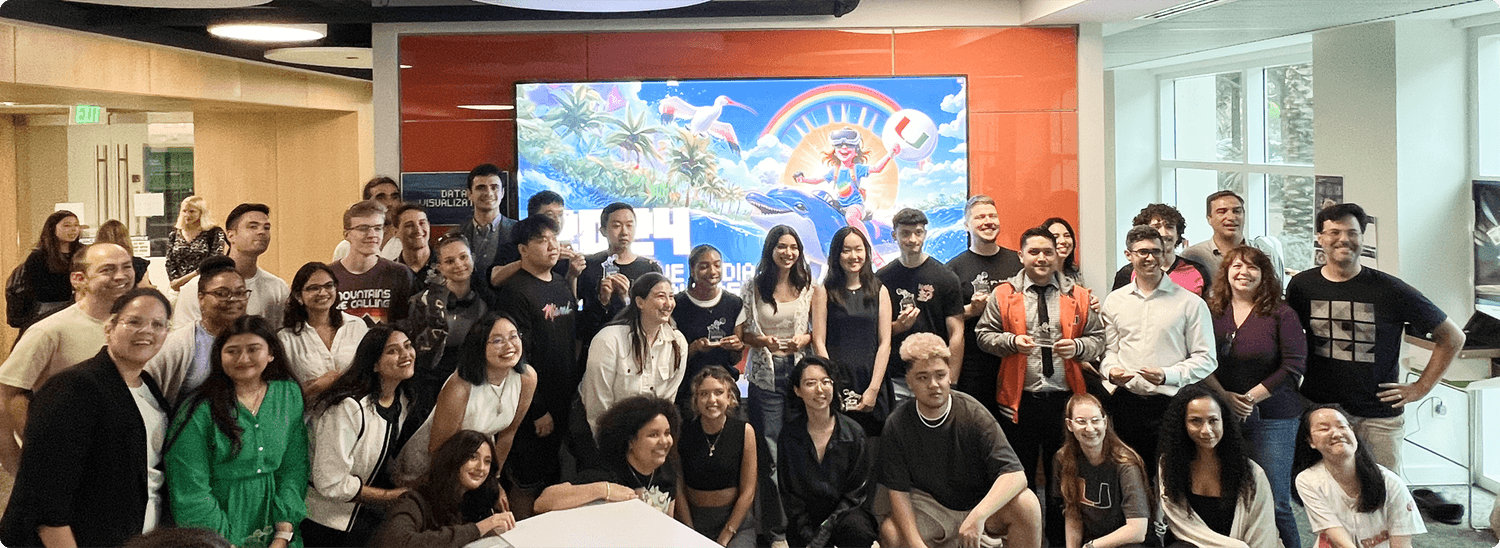
Won Best UI/UX at the University of Miami Annual Showcase 2024. Showcase attendees proposed new features on the spot, a sign the idea resonated beyond the brief.
The Honest Truth
The idea is bigger than what was built. This case study shows what exists, what was designed but not developed, and what Bloom could become.
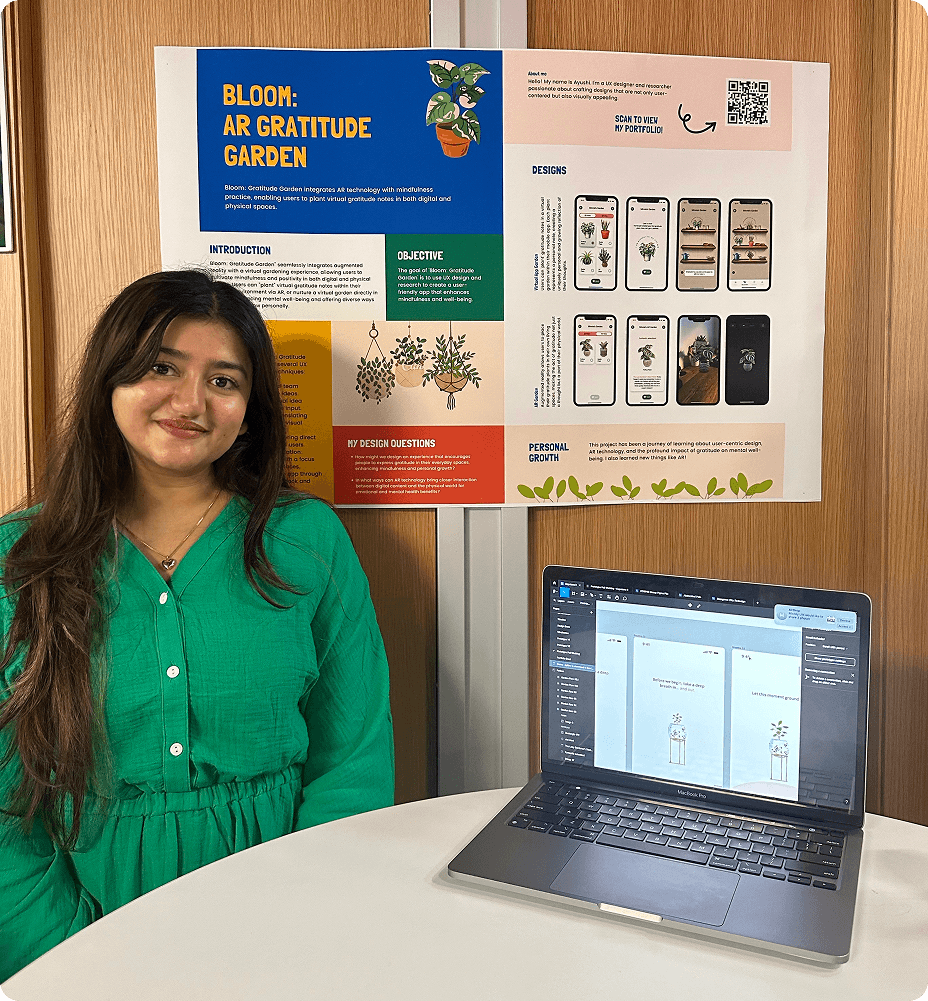
interactive media showcase
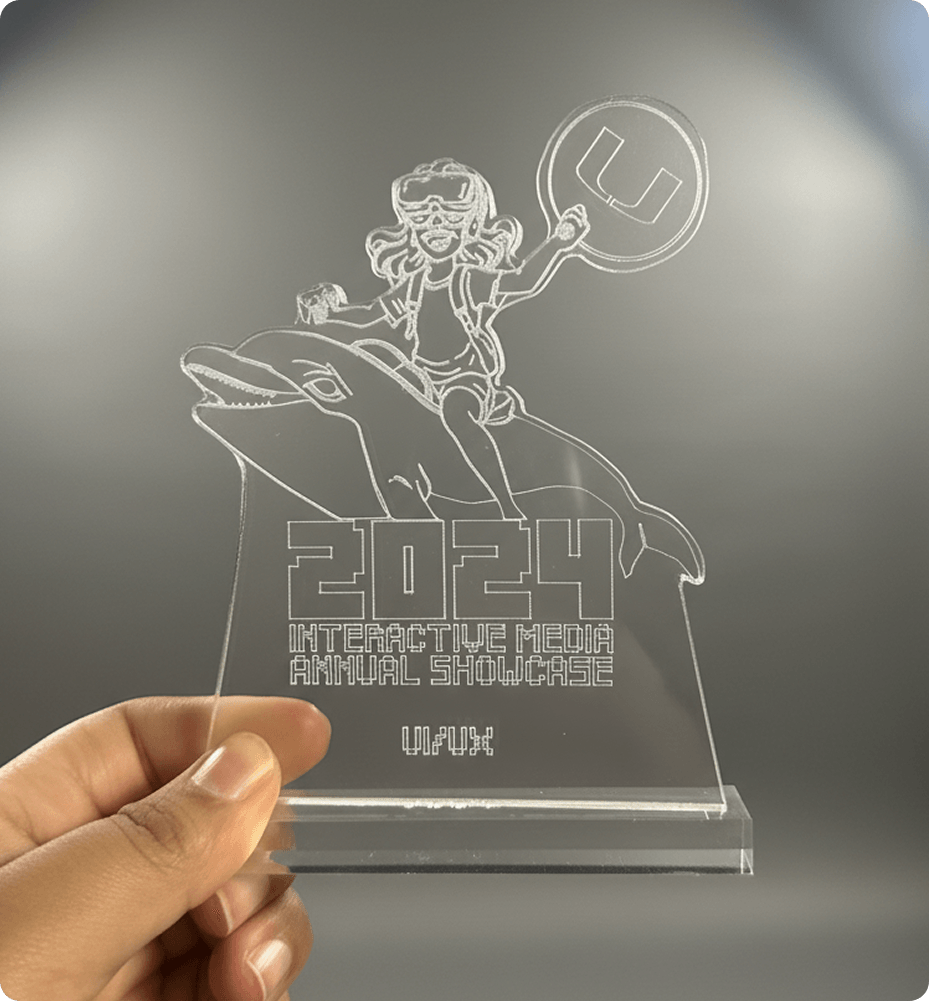
won best graduate UX award
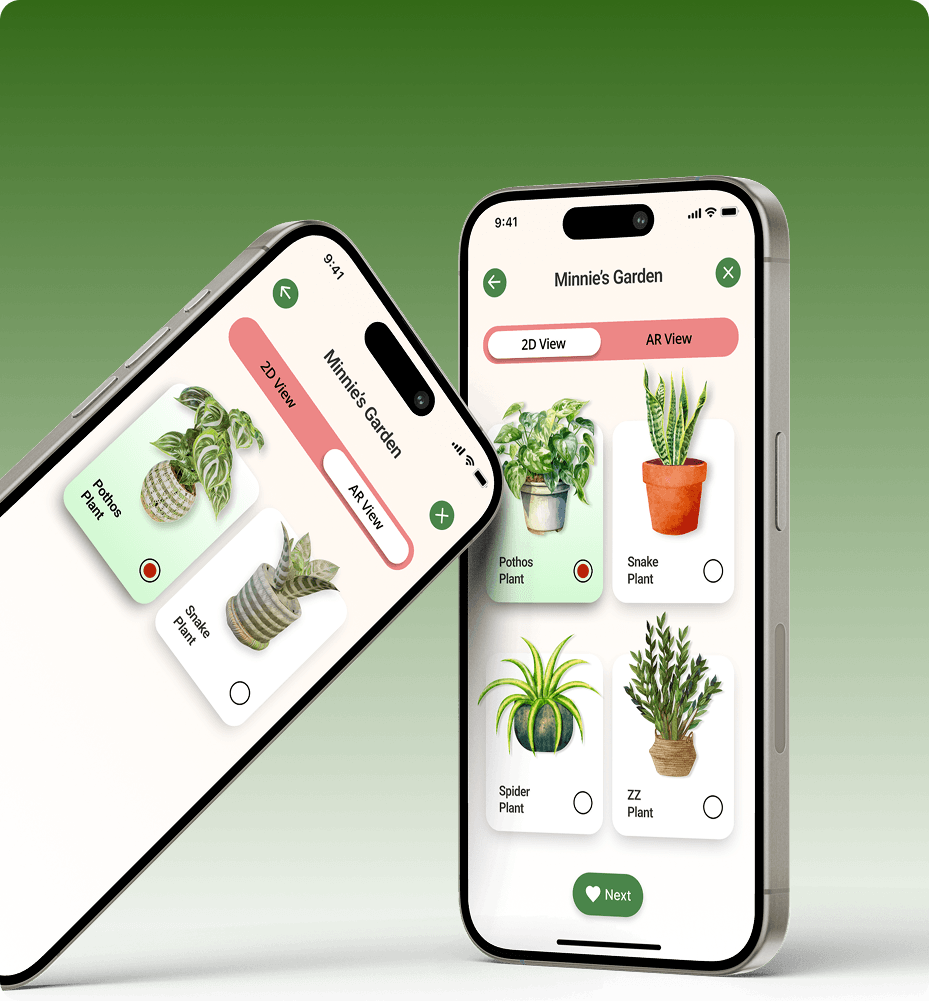
glimpse of my idea
This did not start as a design brief.
This did not start as a design brief.
A month after moving to the United States, I was in an accident. I will leave it at that. What I will say is that I arrived in Miami ready for something new, and very quickly found myself trying to hold onto anything that felt like joy.
I tried keeping houseplants. I thought having something alive around me would help, something to tend to, something that needed me. Miami's heat had other ideas. The plants died. And I was left trying to feel grateful for anything when gratitude felt like the furthest thing from where I was.
A year passed. I healed. But I had not forgotten what it felt like to need something living to hold onto, something that existed in your space, not just on a screen. Something that grew with you.
When it came time to choose my capstone project, I did not have to think very hard. Bloom was already there, waiting.
Gratitude apps give you a text box. Nothing more.
I ran a survey and spoke to people about their relationship with mindfulness and gratitude apps. The responses were mixed. But one pattern was clear across almost every response.
Current gratitude apps are glorified journals. They ask you to write something down, maybe rate your mood, and close the app. There is no connection between the act of gratitude and anything that persists in your physical world.
FROM THE SURVEY
“I regularly use mindfulness apps to manage stress, but I always forget to open them.”
Survey participant
“I didn't know we could use AR for something like planting gratitude, it sounds amazing.”
Survey participant
“I would love to see my AR plants around me. It would be really motivational.”
Survey participant
The insight was simple: text disappears. A plant on your desk does not. What if gratitude had a physical presence, something you walked past every day, something that grew when you tended to it and needed you when you did not?
COMPETITORS ANALYSIS
What they do, and what none of them do
| COMPANY | AR FEATURE | MINDFULNESS | GRATITUDE JOURNAL | EASY SIGN UP | COMMUNITY | ADDITIONAL FEATURES |
|---|---|---|---|---|---|---|
| Headspace | Mindfulness Courses | |||||
| Planta | Plant Care Tips | |||||
| Calm | Sleep Time Stories | |||||
| Insight Timer | Large Free Library |
THE IMPORTANT FINDINGS
Gratitude Focus
Current mindfulness apps primarily offer audio meditations, with little emphasis on active gratitude practices. That opens room for an app centred entirely on gratitude.
Innovative AR Use
Where AR exists, it is used for object scanning, not for merging virtual content with a user's real surroundings to build comfort and familiarity.
Community Aspect
Many wellness apps build a sense of community. That can be adapted to foster shared experiences of gratitude, deepening engagement and support.
What the app had to feel like, not just do.
USER GOALS
- Make gratitude feel tangible, not just written
- Build a daily habit without pressure or streaks
- Have something living in their space to return to
- Express gratitude in a way that feels personal
- Feel a sense of growth alongside their plants
DESIGN GOALS
- Blend AR seamlessly into a daily mindfulness habit
- Make 3D plant creation feel magical, not technical
- Design an onboarding that sets a calm, open tone
- Use AI to help users express gratitude more deeply
- Build something genuinely new, not a Calm clone
“Gratitude turns what we have into enough, and more. It makes sense of our past, brings peace for today, and creates a vision for tomorrow.”
Five decisions that made Bloom feel alive.
ONBOARDING AS A MOMENT
The breathing exercise.
WHAT IT IS
DESIGN LOGIC
PRODUCT LOGIC
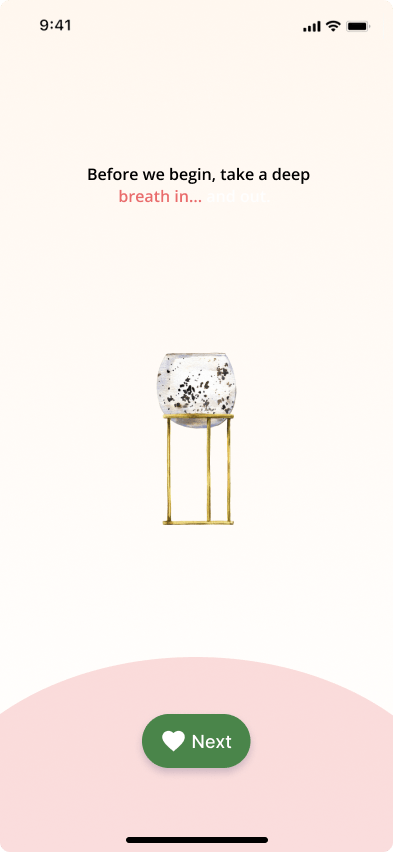
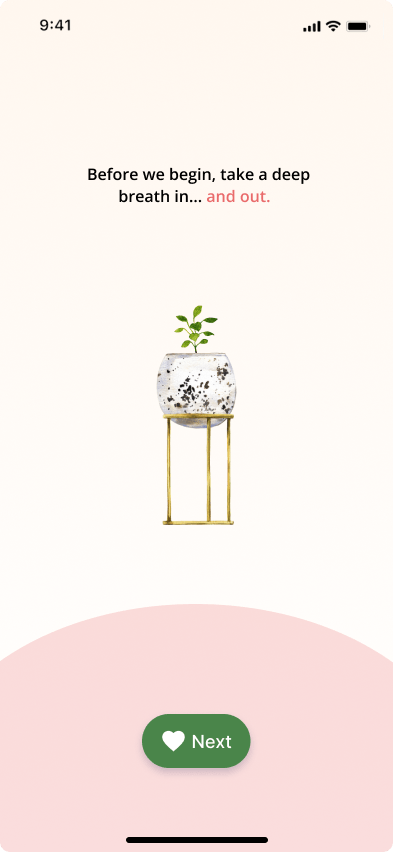
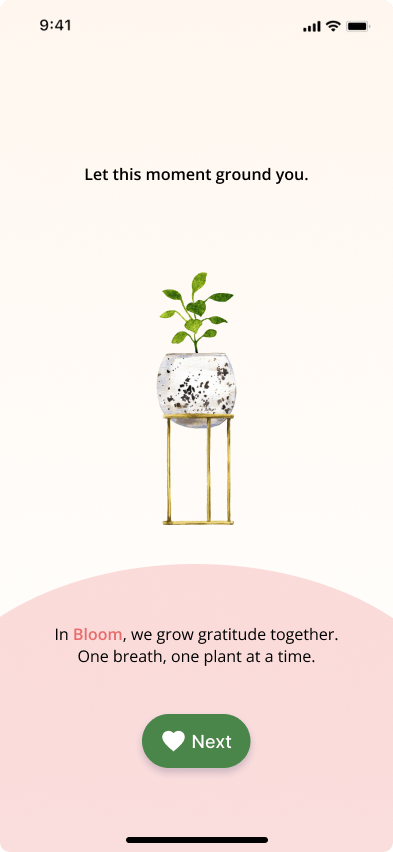
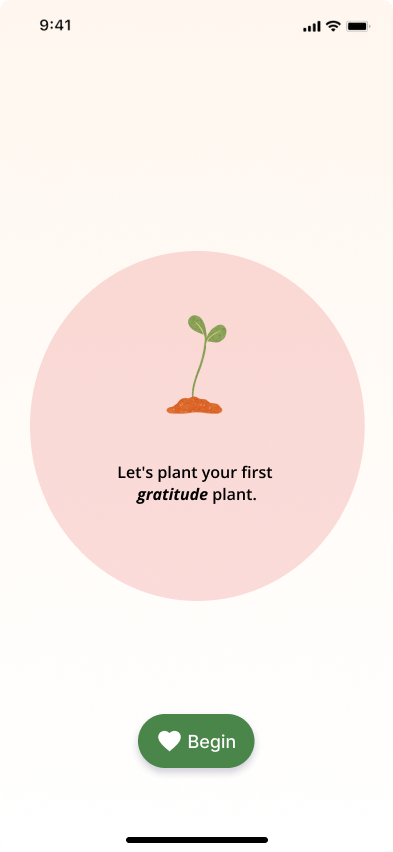
Plant grows with each breath cycle
Design logic
The plant grows with the breath, so users feel the app's meaning before a single note is planted.
Retention logic
The first interaction sets the behavioral template. A breath teaches that the app gives, not demands.
“Most mindfulness apps open with a form. Bloom opens with a breath.”
GRATITUDE IN YOUR ACTUAL ROOM
Planting gratitude in your physical space.
WHAT IT IS
DESIGN LOGIC
PRODUCT LOGIC
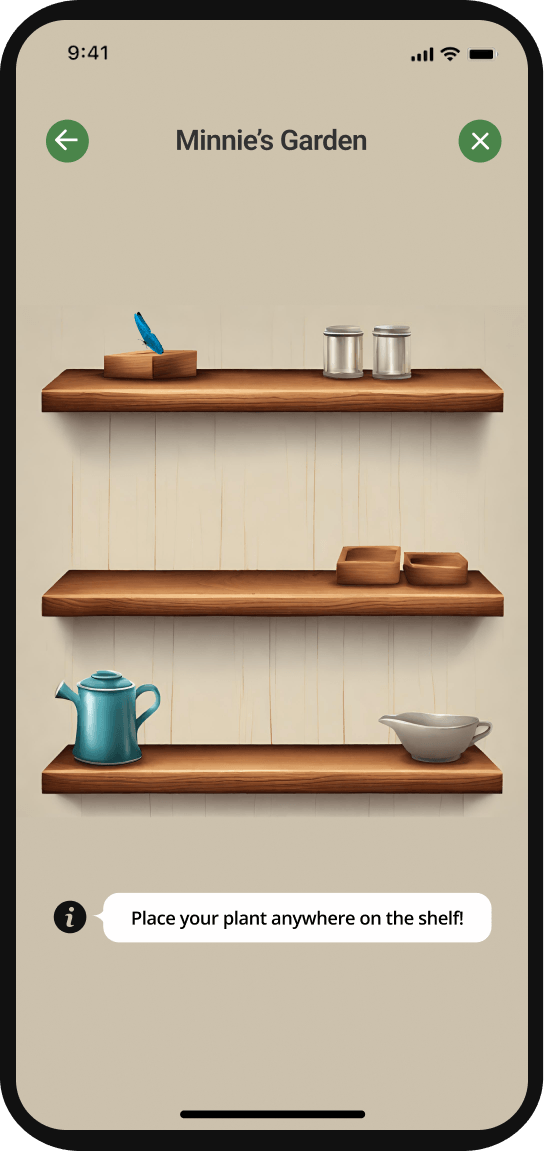
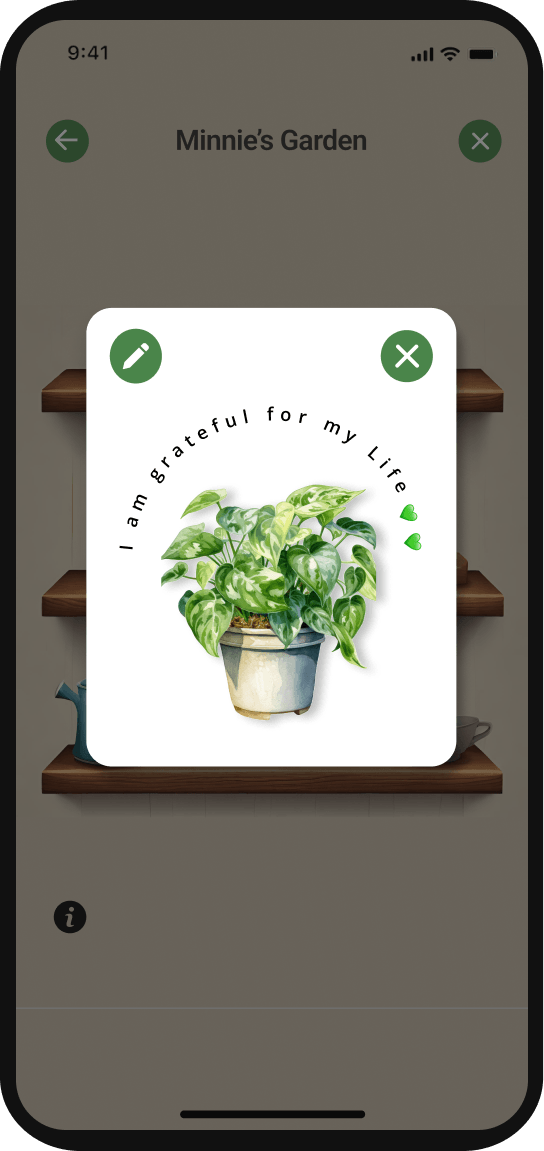
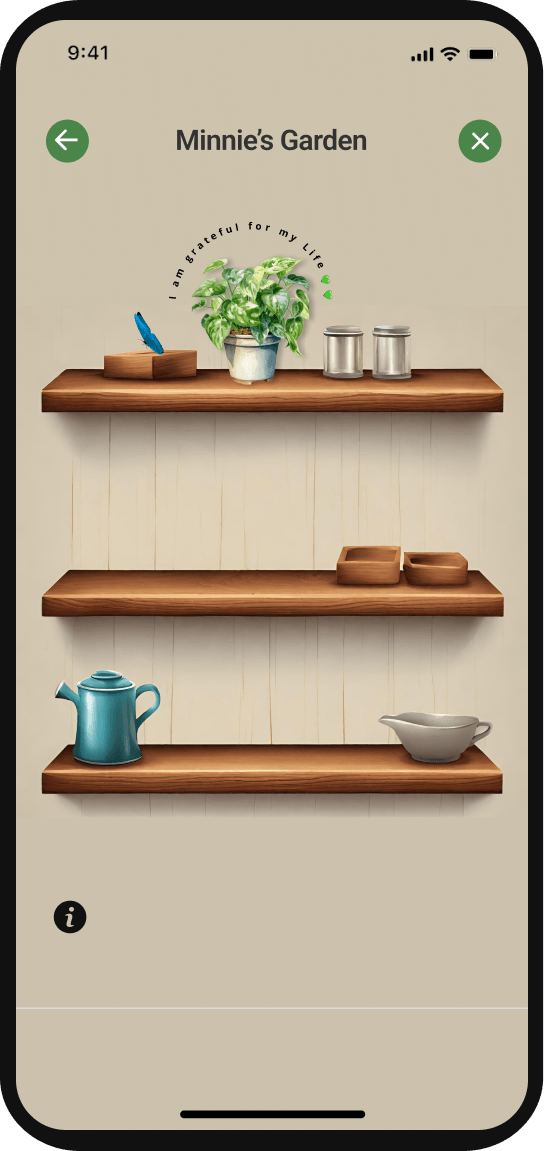
Empty garden
Your space, waiting
First plant placed
Gratitude has a home
Tending the plant
Reflect and revisit
2D garden mode
All your plants collect in one virtual space. It is reflection over time, not presence in the moment.
emotional purpose · memory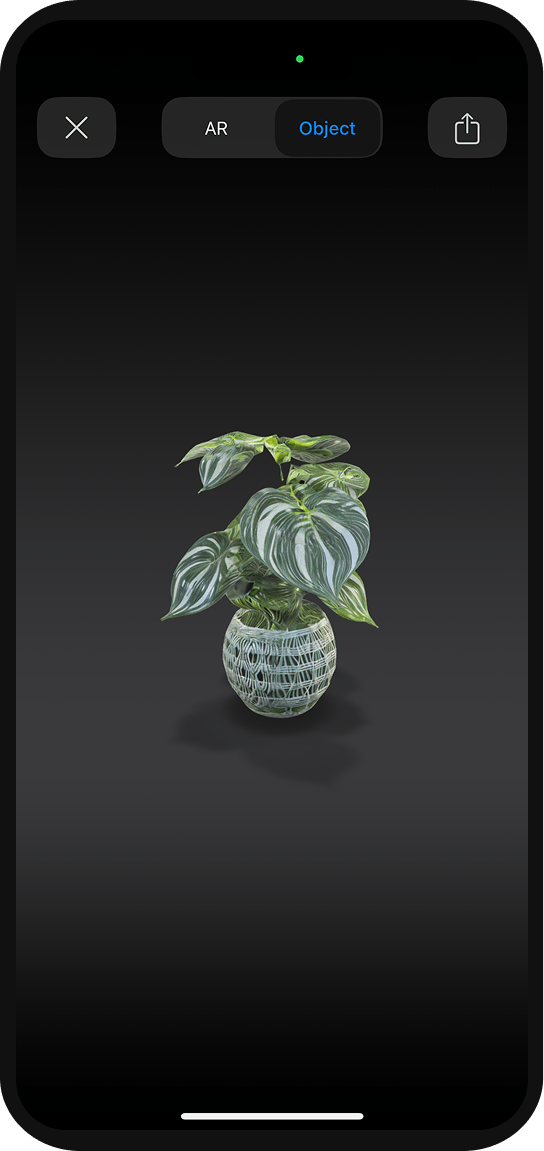
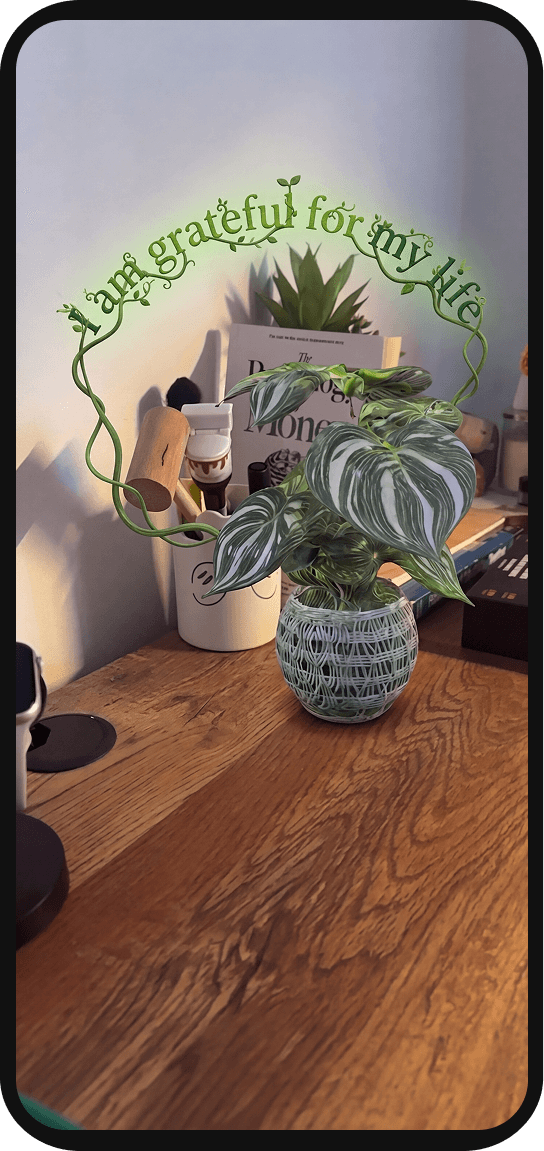
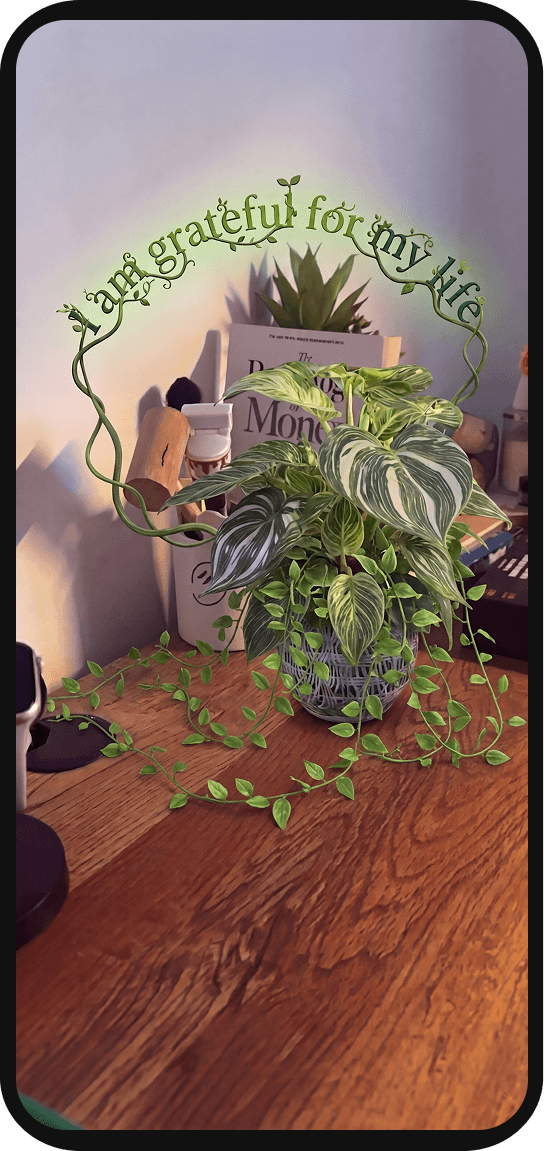
Phase 01 · Just placed
Rarely tended
Phase 02 · Growing
Returning regularly
Phase 03 · Full bloom
Fully tended
AR mode
Plants live in your real space, and growth is the retention mechanic. Tend to it, and watch it bloom.
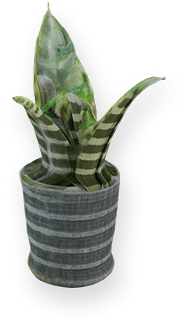
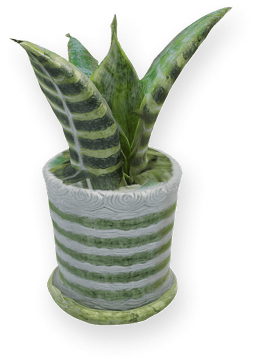
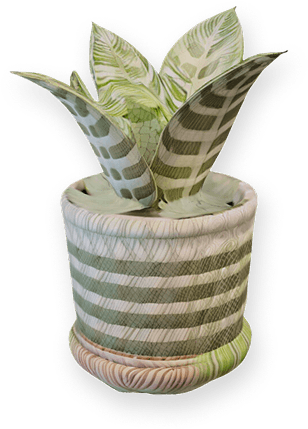
emotional purpose · presenceAI-DIRECTED 3D PLANTS
Plants generated with intent, not at random.
WHAT IT IS
DESIGN LOGIC
PRODUCT LOGIC
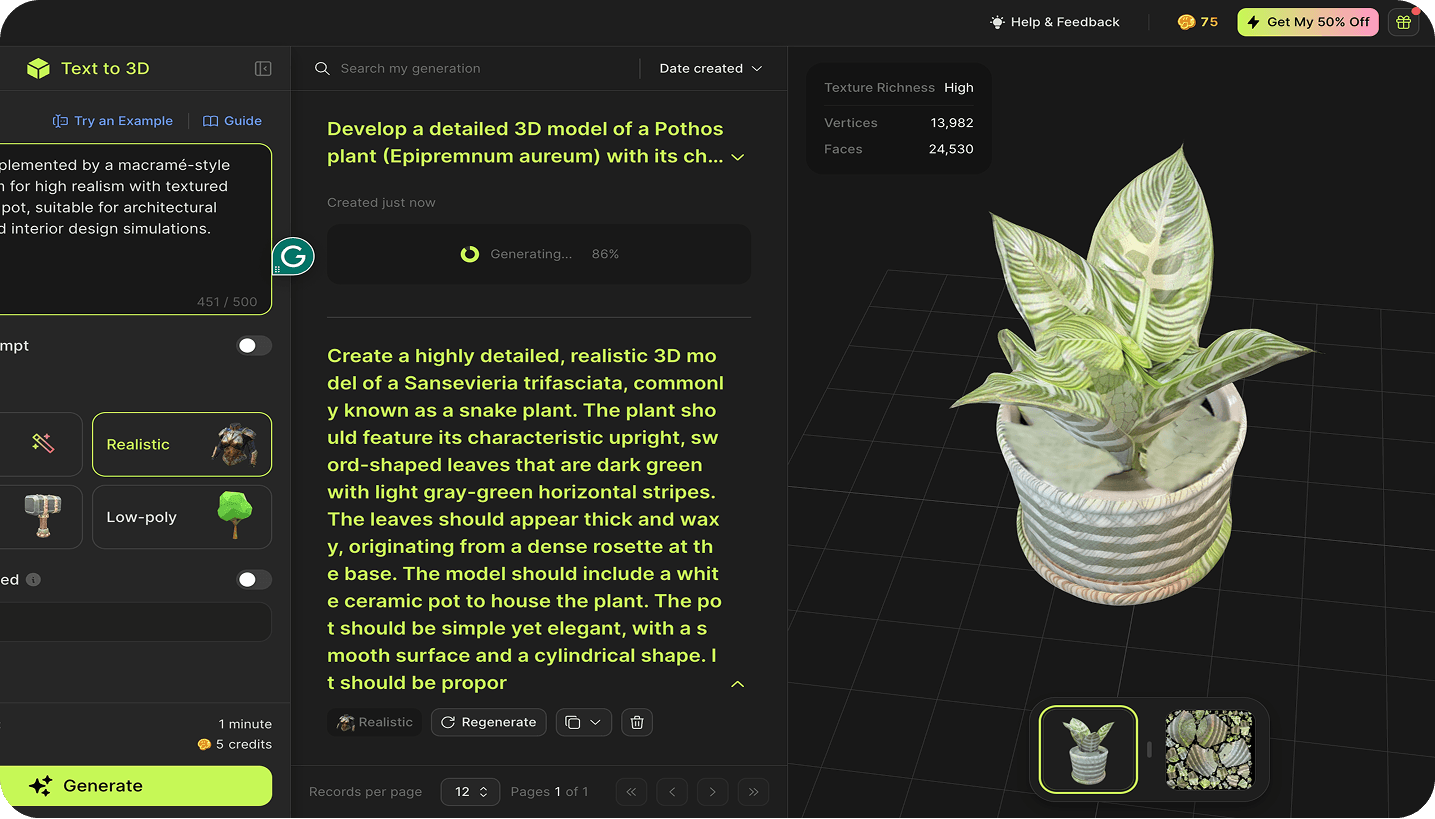
Design logic
Plants needed to feel alive, not like icons. AI generated the geometry. The creative direction came from me.
Retention logic
Growth is a metaphor the user feels. Each return visit is rewarded visually. Care has a consequence.
LIVING ON THE HOME SCREEN
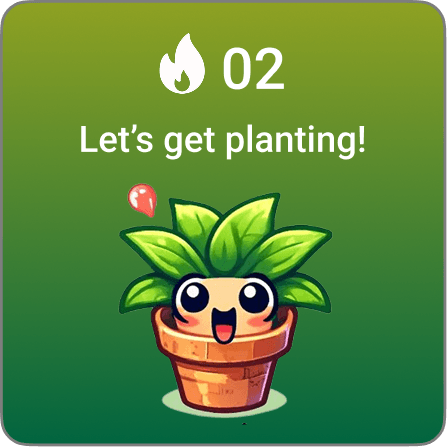
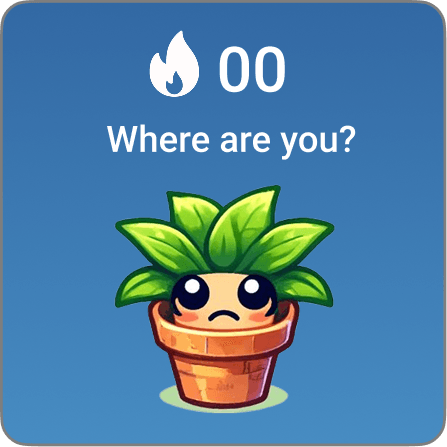
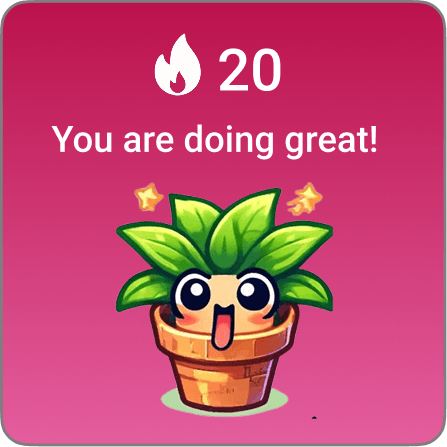
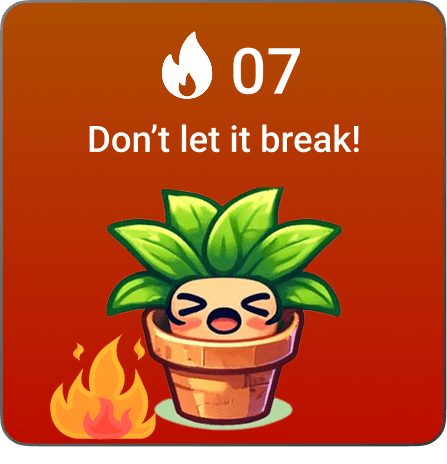
The emotional widget.
WHAT IT IS
DESIGN LOGIC
PRODUCT LOGIC
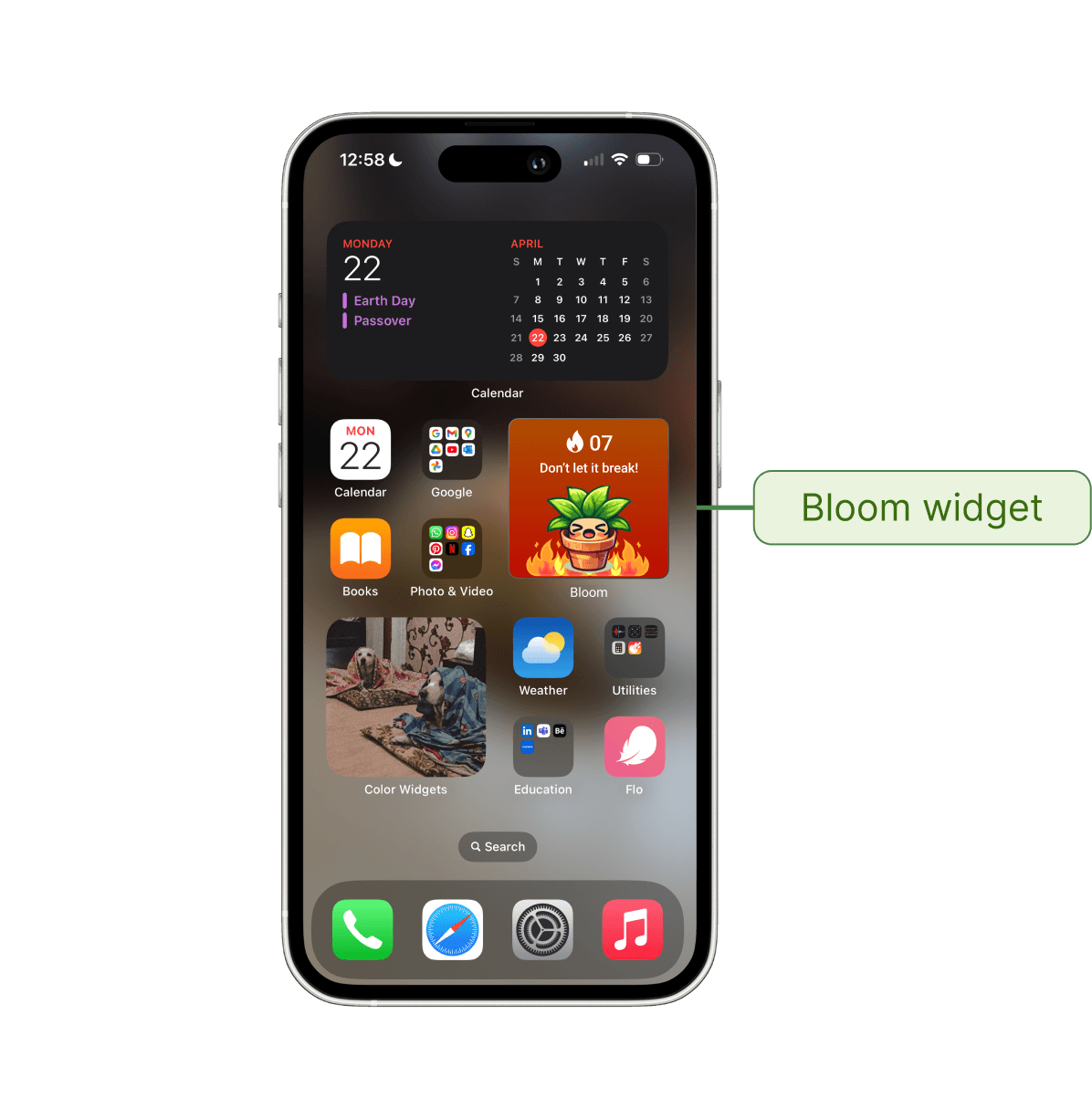
Not Duolingo’s owl.
Duolingo punishes. Bloom cares. The difference: shame closes people down. Care invites them back.
Design logic
Each state maps to a specific emotional moment. The widget is a care system, not a streak tracker.
Retention logic
The widget makes Bloom sticky without demanding attention. You don't need to open the app to feel its presence.
ONE WORD, ONE SENTENCE
The one-word AI prompt.
WHAT IT IS
DESIGN LOGIC
PRODUCT LOGIC
“I love how I can be grateful for something, write it in one word, and get a sentence out of it with more meaning. It made me feel more grateful than I expected.”
User testing participant
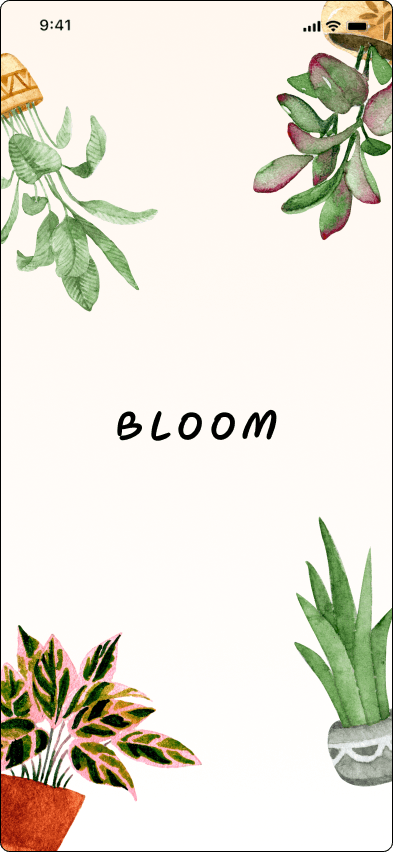
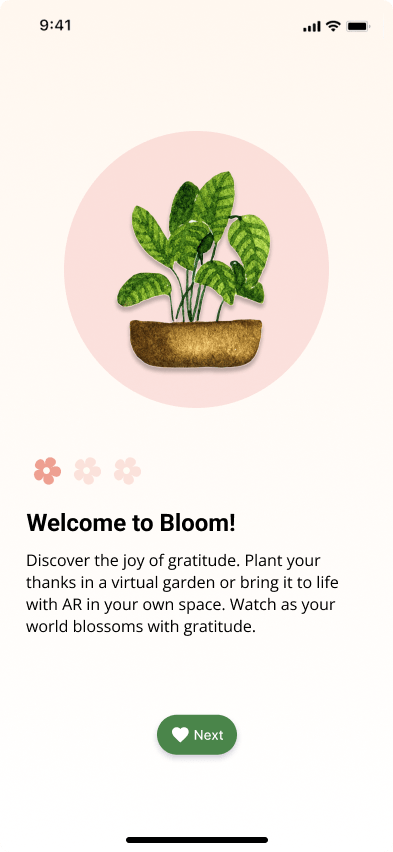
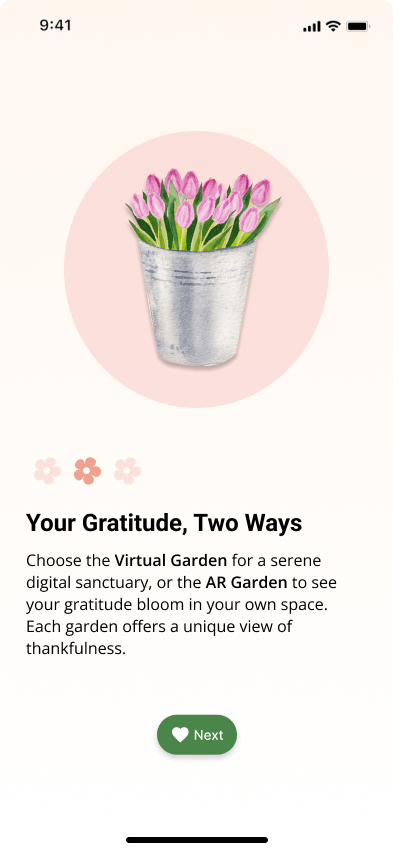
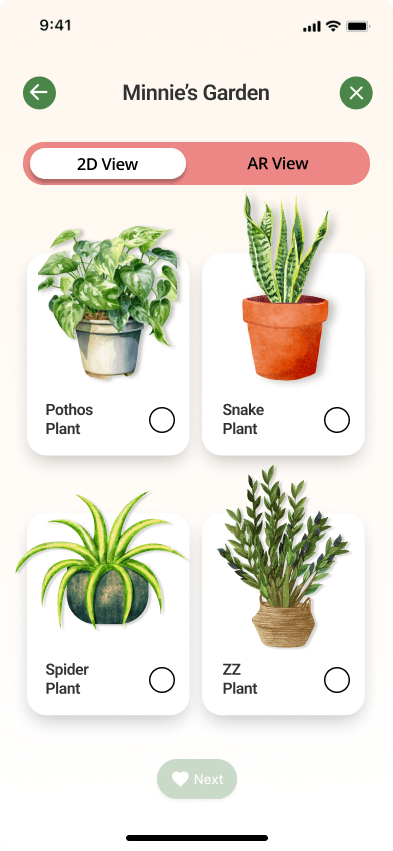
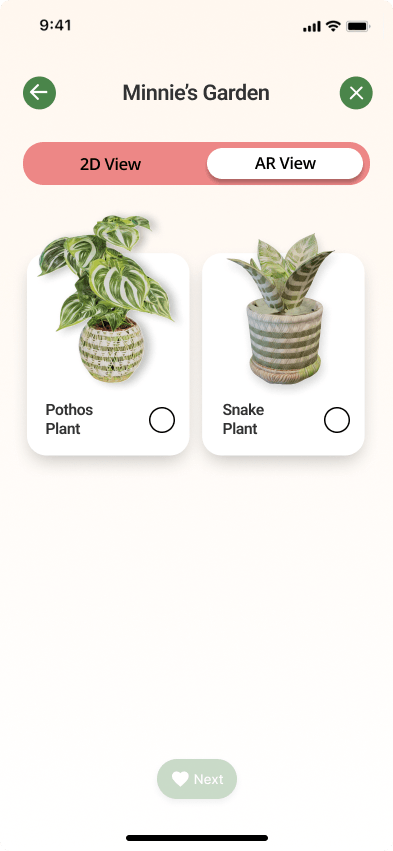
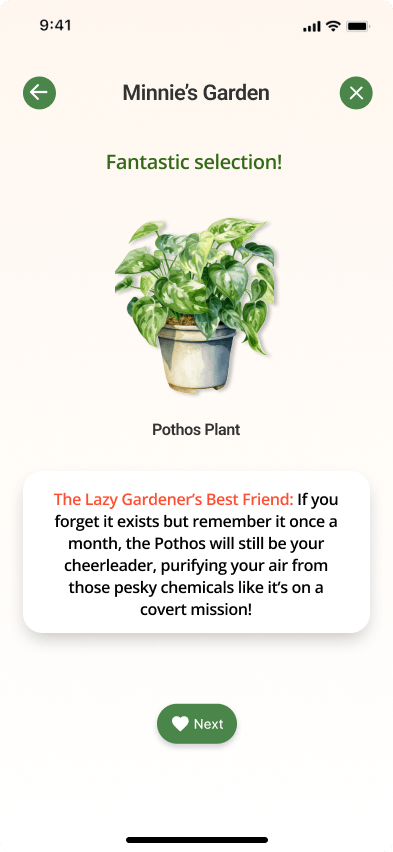
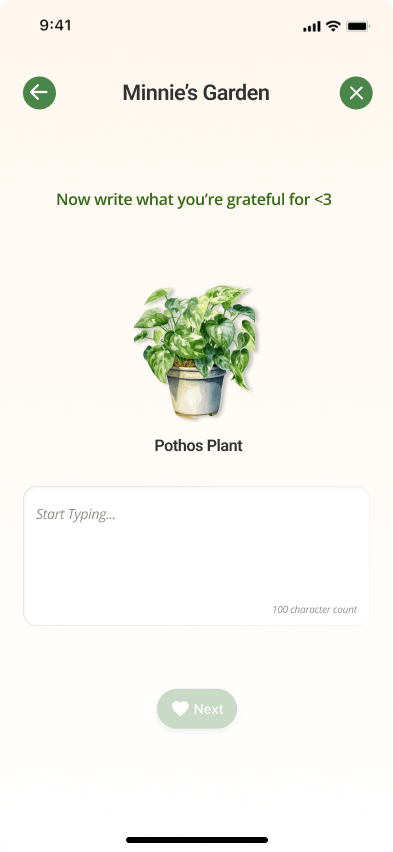
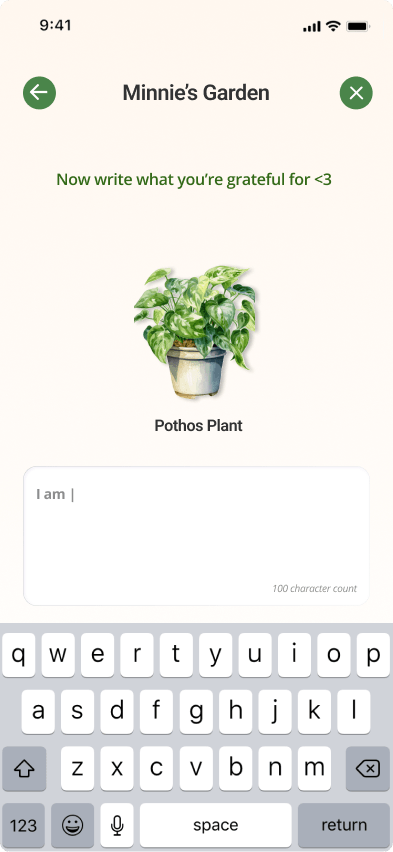
The decisions, as finished screens.
Bloom is a thinking project and a design project in equal measure. Everything above explains why each choice was made. This is the what: the actual screens, fully designed.
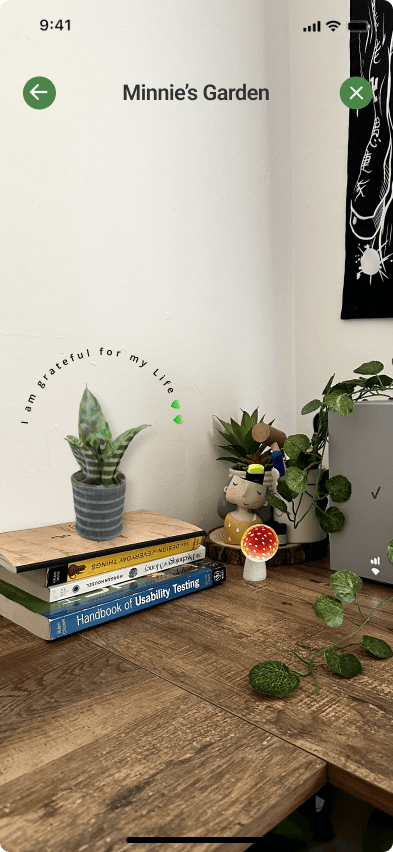
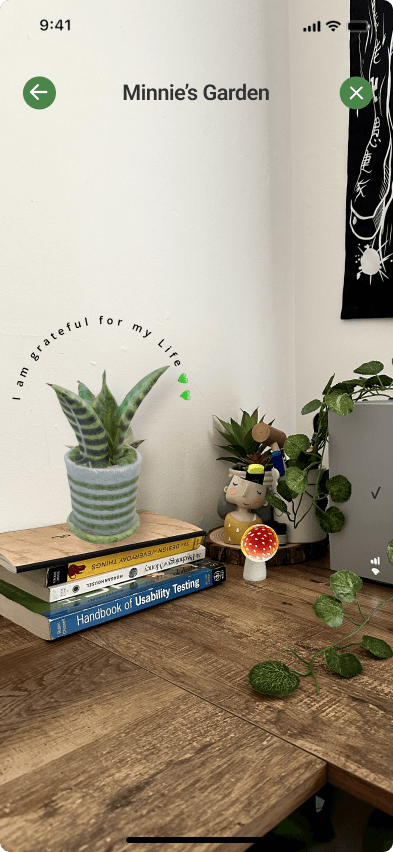
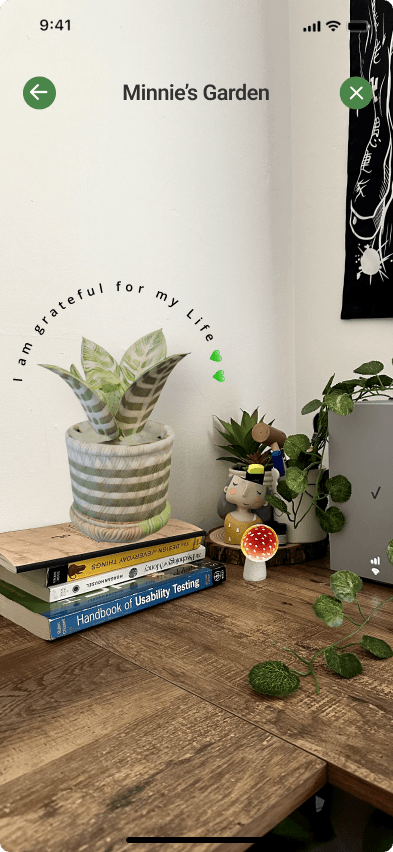
Honest about the gap.
WHAT WAS BUILT
Live in the prototype
- AR plant placement on any surface
- 3D plant models in three growth stages
- 2D virtual garden view
- Gratitude text attached to each plant
- Breathing exercise onboarding
- Home screen widget with emotional states
WHAT WAS DESIGNED, NOT BUILT
In the queue
- AR spatial memory: plants stay in place across sessions
- Spoken affirmation interaction to grow plants
- Social sharing of AR garden spaces
- Sending a plant to a friend as a gift
- Watering mechanic to grow plants faster
- Custom AI-generated plant species per user
The gap between designed and built is not a failure. It is the natural reality of a solo capstone project. What matters is that the designs were fully realised, the interactions were prototyped, and the concept was validated by real users.
People did not just like it. They wanted to build it.
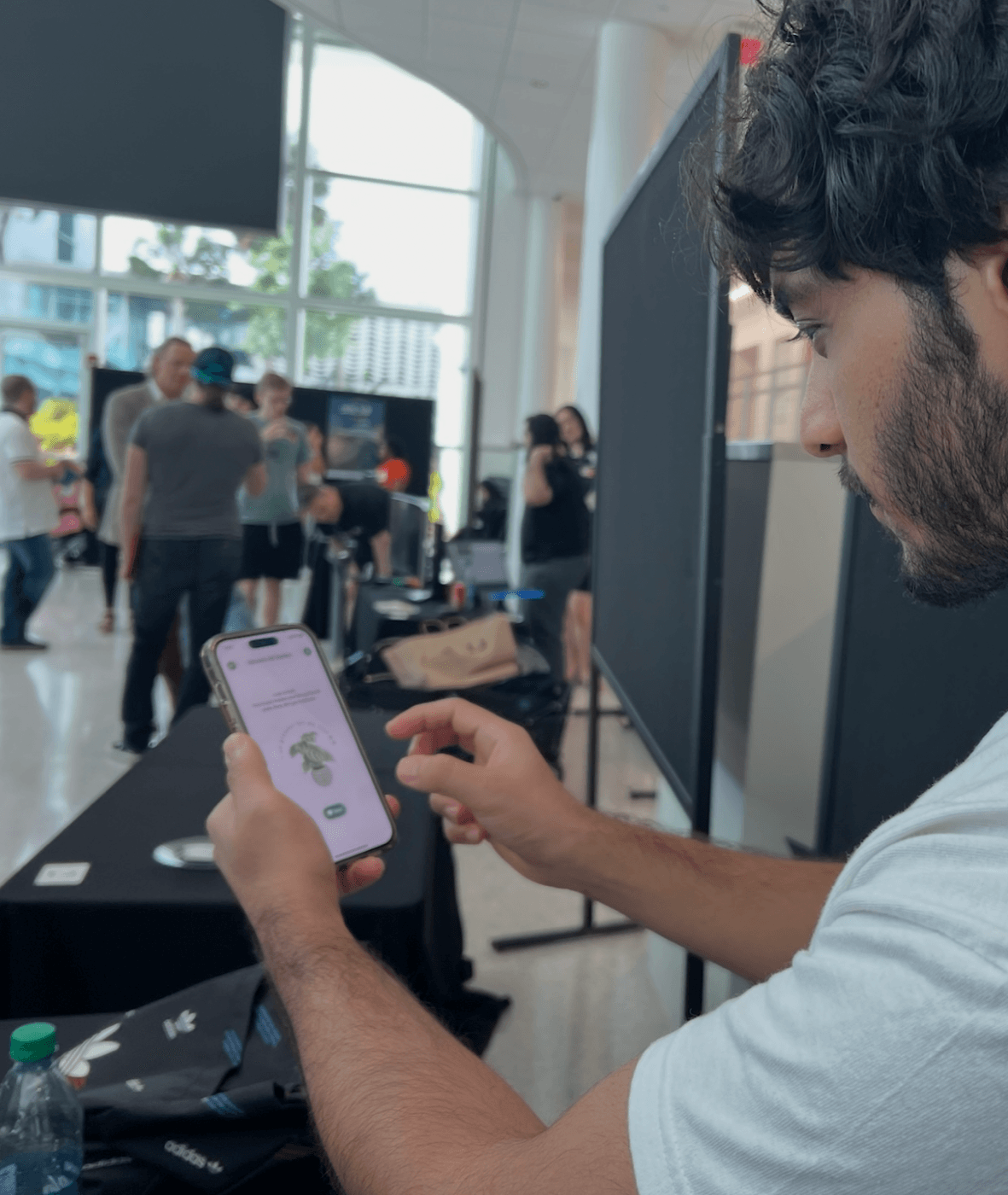
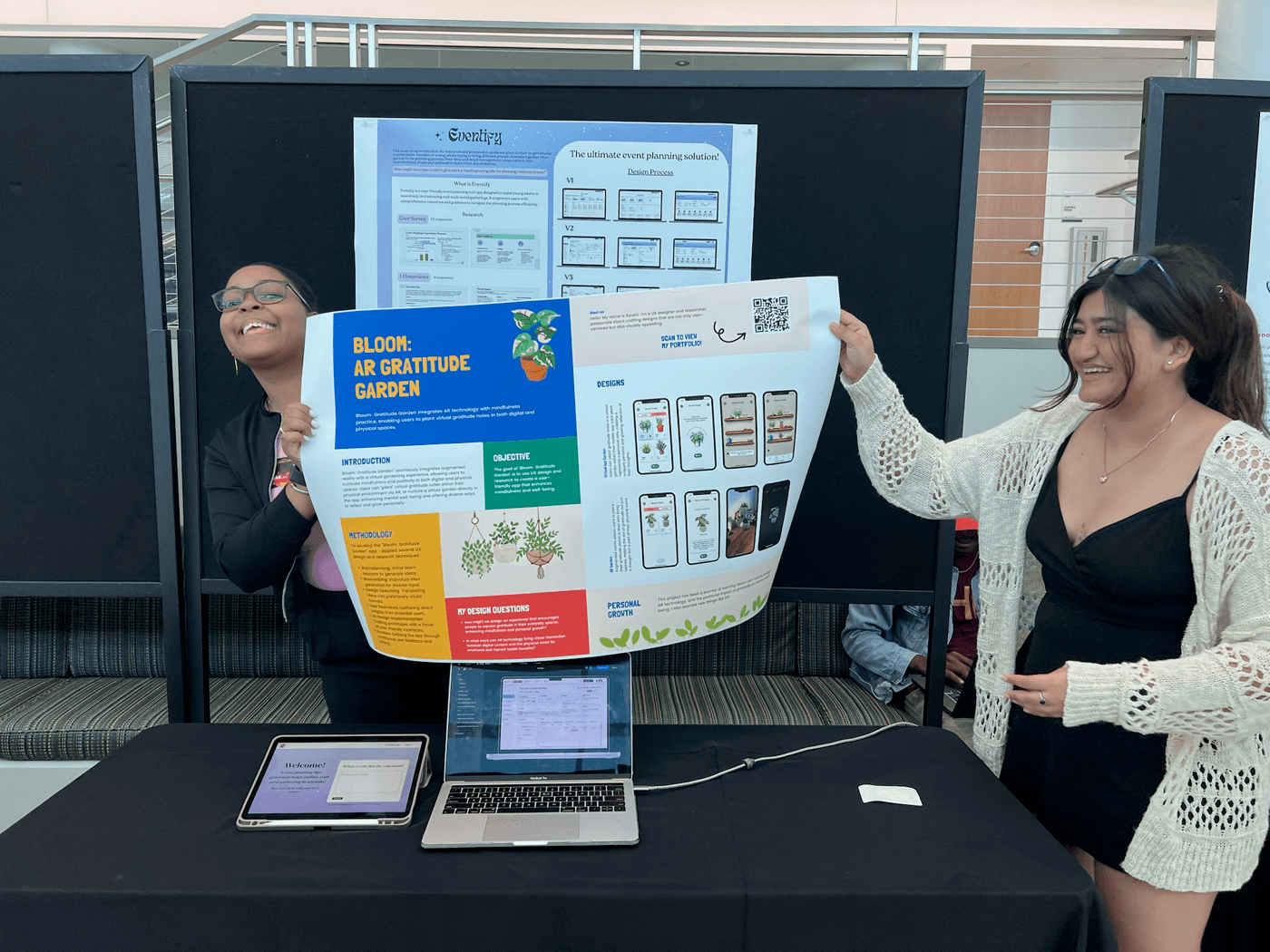
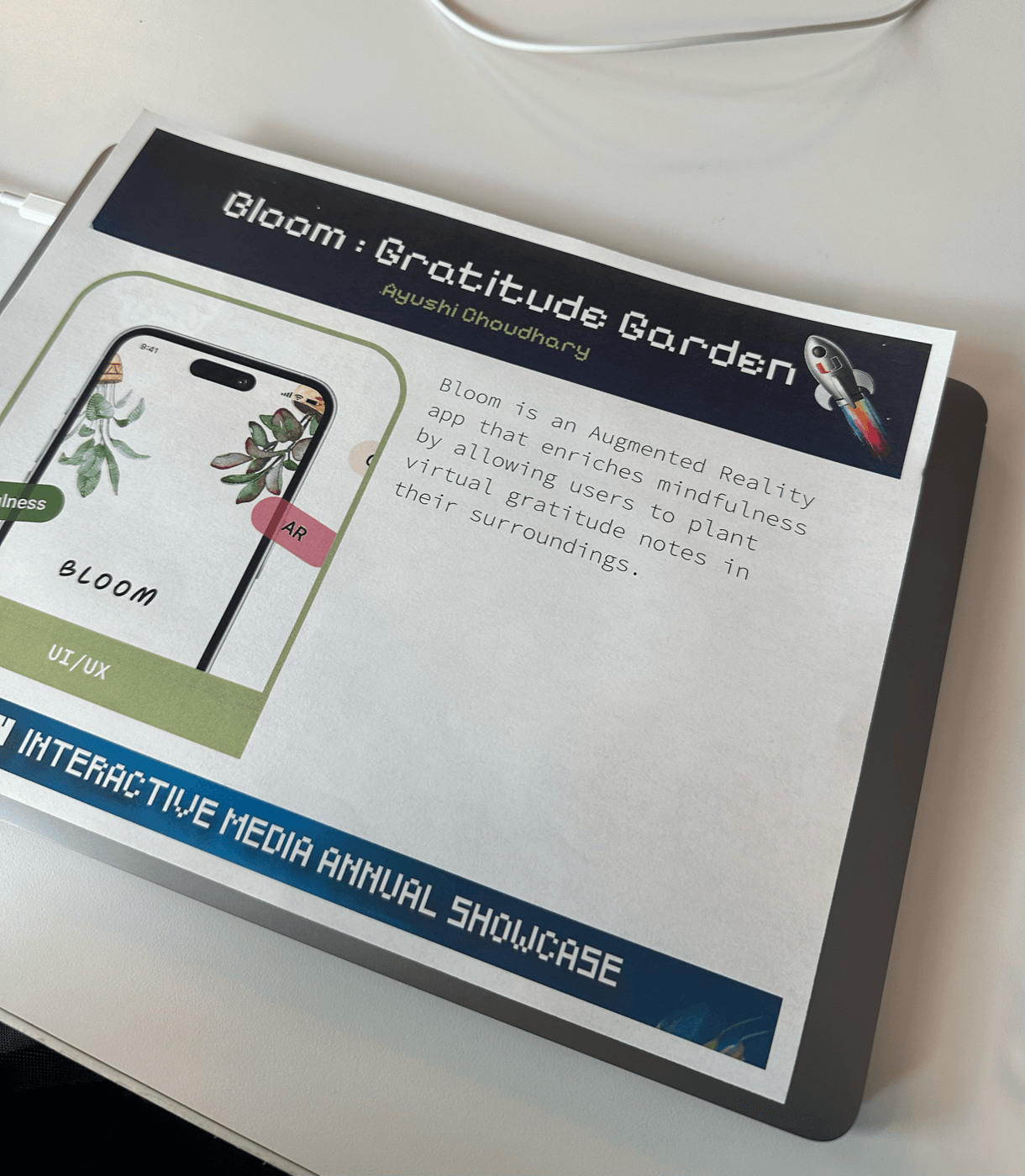
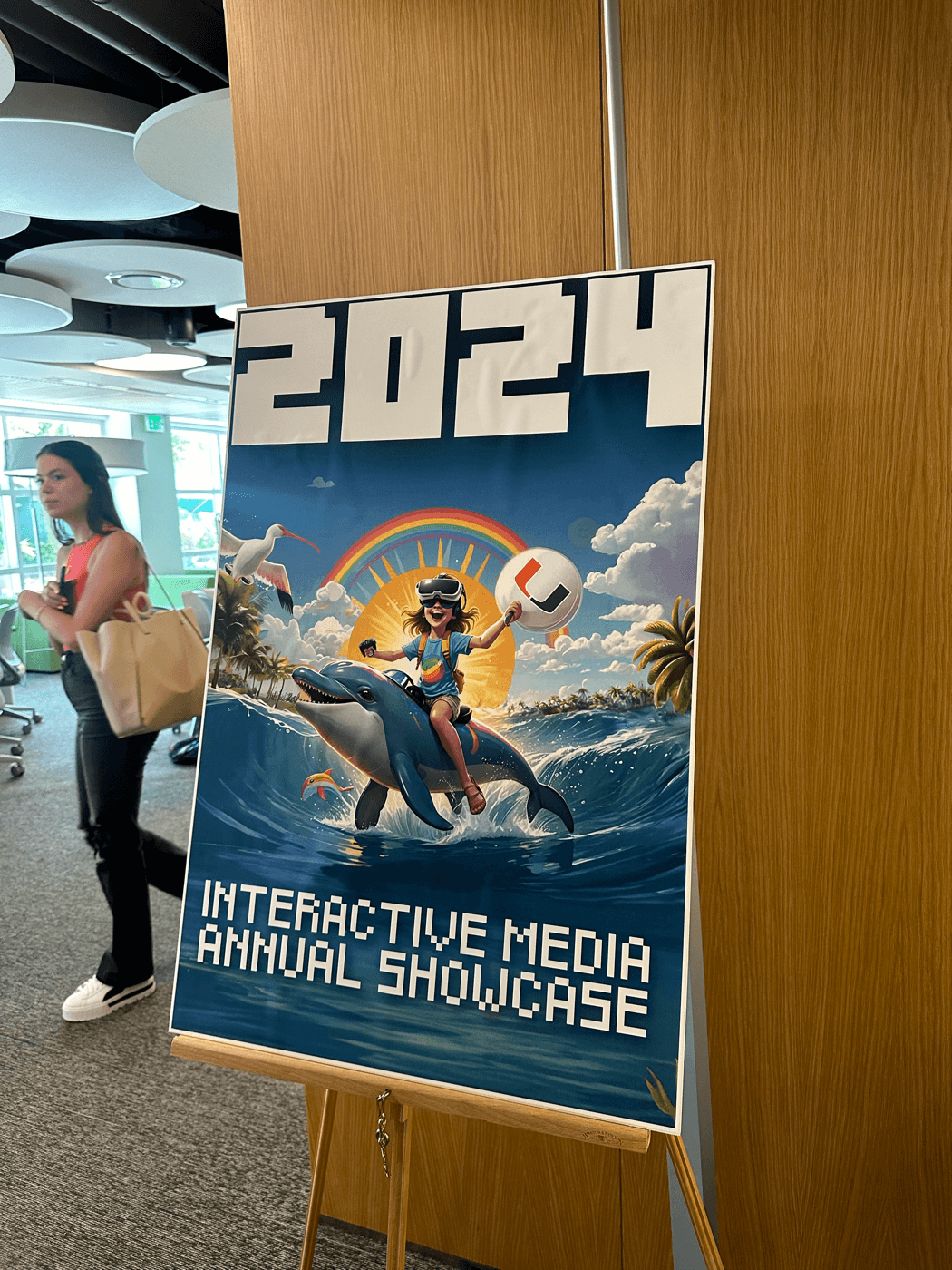
trying the demo live
UM showcase · 2024
At the University of Miami Interactive Media Annual Showcase, Bloom won Best UI/UX. But the award was not the most memorable part.
What I remember is the conversations. People stood at my station and immediately started pitching ideas back at me. What if I could send this plant to a friend? What if I could use it as my wallpaper? What if my plant died if I stopped giving it attention? What if I could make my own AI plant species?
That is the sign of an idea that resonates. When someone interacts with your work and immediately starts imagining what it could become, they are not critiquing it. They are joining it.
I have been thinking about those ideas ever since.
The idea is bigger than what was built.
THE MOOD I’D PULL FROM
Directions, not screenshots: soft mindfulness, hand-drawn botanicals, AI-grown plant species unique to each person, and a voice-first feel where the app does less typing and more talking.
If I built Bloom today, it would look and feel completely different. Not because the original was wrong, but because I am a different designer now.
The rebrand would start with meaning. Every color, every element would have a reason rooted in the emotional purpose of the app. The greens would be intentional, not just “plant colors” but specific shades that research shows promote calm and groundedness. The typography would feel handwritten in places, clinical in none.
FEATURES I WOULD ADD FIRST
- 01
AR spatial memory
your plants stay exactly where you placed them, every time you open the app. Your desk becomes a garden.
- 02
Send a plant to a friend
gift someone a gratitude note that grows in their space. Grief and gratitude are not solo experiences.
- 03
Custom AI plant species
describe your mood and the AI generates a plant species unique to that moment. No two gratitude notes look the same.
- 04
Watering mechanic
return to a plant, water it, and watch it grow. Neglect it and it gently droops. Care as interaction.
- 05
Deeper onboarding
the breathing exercise is just the beginning. The onboarding could become a full felt experience of what Bloom means before a single note is planted.
I am still thinking about making Bloom a real app. Now that I know how to vibe code, the gap between designed and built feels smaller than it used to.
Design is most powerful when it comes from something true.
Bloom taught me that the best design problems are the ones you have lived. Not because personal experience makes you biased, but because it makes you specific. I was not designing for a persona. I was designing for the person I was in my first semester, sitting in a Miami apartment with dying plants and a healing hand.
That specificity is what made the idea resonate. People felt it because it was real.
The technical growth was real too: AR interaction design, 3D asset direction using AI tools, emotional design systems, and the discipline of knowing when to stop adding and start simplifying.
“Design is most powerful when it comes from something true.”
Bloom is still growing. So am I.